What Happens During a Replacement Window Installation
On a stucco house within a mile of the marine layer, the install method changes the whole job. The running record replacement windows carlsbad donny most holds shows the same split on every street in Carlsbad, CA: an insert install places a new window inside the existing frame, while a full frame install removes the old frame down to the rough opening. Each has a place, and neither is the wrong answer by default.
Insert or full frame

An insert install leaves the old frame in place. The new vinyl window or fiberglass window slides in, gets set, and the interior trim stays mostly untouched. It is quick and tidy, though the glass area shrinks slightly because the new frame sits inside the old one. It suits openings where the existing frame is sound, square and dry. A double hung or slider swaps in cleanly this way on tract homes in Oceanside and Encinitas. Full frame work strips everything to the rough opening. That allows inspection for rot or damage that an insert install would cover up. Bad wood gets cut out and replaced before the new unit goes in. The condition of the opening decides which method fits.
Stucco
Stucco is where most questions start. Retrofit windows with a flush fin, sometimes called a Z bar, overlap the outside face of the stucco, so the wall does not need to be cut back. Installing a window does not mean the stucco must always come off. Some Carlsbad openings do need a patch, usually when a full frame install exposes damage, but the fin often avoids it.
Shims and square
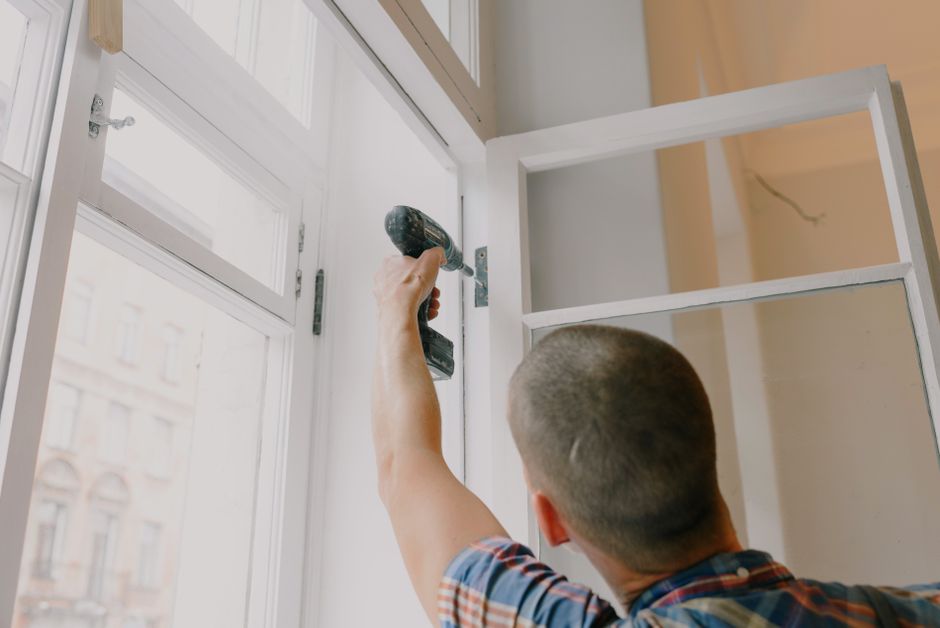
Shims set the window level, plumb and square. A frame out of square makes sashes bind or leak air. A casement or awning shows it fastest, because the sash has to seat evenly against the weatherstrip. Shims go at the sill and at each anchor point, and the reveal gets checked on all four sides before anything is fastened.
Foam, flashing and sealant
The gap between the new frame and the opening is filled with insulation, often low expansion foam made for windows so the frame is not bowed. Flashing and sill pans direct water that gets behind the window back out to the exterior instead of into the wall. Sealant goes on the perimeter last. Caulk alone does not keep water out of an opening. Sealant joints work best when sized and backed properly rather than piled on thick, which matters where the marine layer keeps walls damp for weeks at a time.
Final check
After installation, each sash gets operated and locked. Movement should be smooth, and the weatherstrip should make even contact around the whole sash. A sash that drags at one corner points back to the shims. Fixed units such as a picture window have no sash to test, so the frame reveal and the perimeter seal get a closer look. Catching a problem that day costs far less than a leak found after the first winter storm.