Sliding, Casement or Double Hung Window for Carlsbad Ocean Breezes
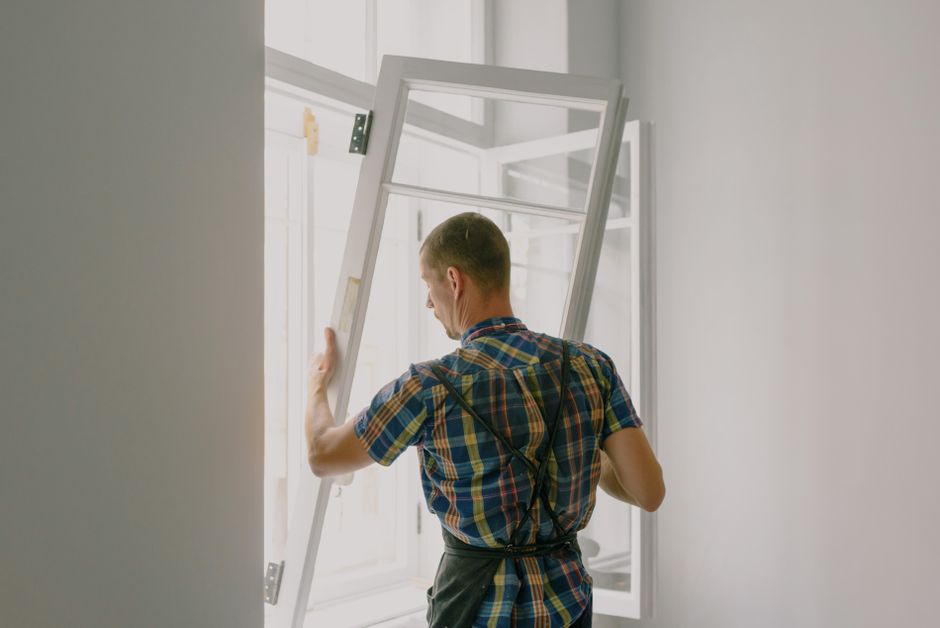
A casement window moves the most air from a single opening, but in Carlsbad the best style depends on which wall the window sits on, how much clearance is outside it, and how close the house is to the salt. A casement can be the strongest choice on a breezy west wall and a poor one beside a narrow side yard. Double hung and sliding windows each win in situations where a casement struggles.
Start With the Wall, Not the Window
Carlsbad usually gets an onshore breeze off the Pacific from the west and northwest, strongest in the afternoon. Before comparing styles, walk the house and note which walls face that breeze and which face away from it. Style choices follow from that map.
Window size matters less than people expect. A bigger window does not automatically bring more breeze. Opening type, orientation and a path for air to exit matter more than square footage.
How Much Each Style Actually Opens
A casement opens almost its full sash area to the air. A slider or a double hung opens only about half of the unit at a time, because one sash always stays in the way. When the goal is the most air from one opening, the casement wins on raw numbers.
Casements also do something the other styles cannot. Hinged on the side farthest from the wind, the open sash works as a scoop and turns breeze running along the wall into the room. Hinged the wrong way, the same sash blocks the breeze. Hinge side is a decision to make before ordering, not an afterthought.
Cross Ventilation Beats Any Single Window
Fresh air moves through a house only when it has somewhere to go. Cross ventilation needs openings on the breeze side and on the opposite side. An outlet the same size or larger than the inlet moves more air through the rooms. Opening every window on the ocean side with nothing open on the lee side adds very little flow.
That changes how to shop. A casement on the west wall pairs well with a slider or double hung on the east wall, as long as both can be opened without fuss.
When Double Hung Windows Make More Sense
A double hung window can open at the top and the bottom together. Warm air leaves through the top gap while cooler air enters at the bottom. This stack effect works on still evenings and during the morning marine layer, when there is no wind to catch.
Inland neighborhoods such as La Costa and the eastern hills run warmer and lose the sea breeze sooner than homes near the coast. There, high and low openings matter more than catching wind. Double hung windows, or casements placed high and low, suit those homes.
One caution: many windows that look like double hung are actually single hung, with a fixed top sash. Ask directly whether both sashes operate.
Where Sliders Still Earn Their Place
Many single story tract homes from the 1970s through the 1990s have narrow side yards. An outward swinging casement on those walls sticks into the walkway at head height. Beside paths, patios and side yard gates, sliders or double hung windows are the safer choice.
Sliders get an unfair reputation for leaking. A well built, well installed slider with clear weep holes performs fine. The weep holes or slots in the bottom of the frame drain water that collects in the track, and when they clog, water can spill onto the interior sill during winter storms.
Converting a wide slider opening to casements usually means a pair of casements, or a casement beside a fixed pane. A single sash can only be so wide before it sags or becomes hard to crank. Check the sightlines and the added dividers before committing.
Salt Air and Hardware
Salt corrodes window hardware, and the effect is strongest close to the beach in areas like the Village and Terramar and around the lagoons. Casement crank operators and hinges are the most exposed parts. Ask for stainless steel or coastal grade hardware. These resist corrosion but are not immune, so rinse exterior hardware and frames with fresh water every few months.
Frame material matters too:
- Vinyl and fiberglass do not corrode in salt air.
- Aluminum holds up if the factory finish is intact, but scratches and chips can corrode near the beach.
- Wood needs regular repainting or refinishing in damp, salty fog.
Vinyl is not maintenance free, either. Tracks, weeps, gaskets and screens still need cleaning.
Sand, Grit and Slider Tracks
Slider sill tracks collect sand, grit and salt crust. The sash starts to drag and the rollers wear. Vacuum the tracks and wipe them clean. If the slider is still hard to move, the rollers can usually be replaced without replacing the window.
Use dry silicone spray on slider tracks, never oil or grease. Oil and grease hold sand and turn it into an abrasive paste. For casement operators, use the lubricant the manufacturer specifies.
Santa Ana Winds and Tight Seals
In fall, Santa Ana winds blow dry and dusty from the east. Casements and awning windows close against a compression gasket and usually seal tighter against wind driven air and dust than sliders, whose seals rub against each other.
Casements need attention before a gusty day. Close them fully before strong gusts arrive, because a sash left open can be wrenched against its operator and hinges. Check that any limit stops or opening control devices are working.
Screens, Glass and Cleaning
Casements and awnings put the screen on the inside. Sliders and double hung windows put it on the outside, where salt fog hits it directly. Near the coast, aluminum mesh tends to corrode and go dull. Fiberglass or stainless mesh lasts longer.
Salt film builds up on coastal glass quickly. Tilt in double hung sashes and casements both let you clean the outside glass from indoors, which helps on second floors. Most sliders lift out for cleaning, but that is awkward on large upper panels.
Fog, Condensation and Old Aluminum
Many original aluminum sliders in older Carlsbad homes have no thermal break. They run cold and sweat on the inside during foggy mornings. Replacement frames that are thermally broken, or made of vinyl or fiberglass, reduce that moisture. They will not eliminate it if the indoor air is humid.
Sun on the West Wall
West facing windows take strong late afternoon sun and glare off the ocean. Low E glass with a low solar heat gain coating on those walls cuts heat build up, which lets ventilation cool the house instead of fighting the sun.
Awning Windows for Wet Spots
Awning windows hinge at the top and can stay open in light drizzle and fog without letting much water in. They suit bathrooms and spots high on ocean facing walls.
Night, Security and Safety
For ventilation at night or when away, a double hung opened a few inches at the top is hard to climb through. Sliders can take vent stops or a track block. Casements can be left slightly cracked with the operator locked in place.
Bedrooms add another check. A casement, slider and double hung of the same outer size give different clear openings. Confirm that any new bedroom window still opens wide and low enough for a person to climb out in an emergency.
Installation Decides How Long It Lasts
Most Carlsbad homes have stucco exteriors. A retrofit installation with a flush fin or block frame goes into the existing frame without tearing out stucco. Ask the installer how the new frame will be sealed and flashed against the old one, because that joint is where leaks start.
Installation quality matters as much as style. A sash that is out of square leaks air and binds whatever the window type. Before the installer leaves, open, close and lock every new sash.
A Practical Way to Decide
- Breezy west or northwest wall with open yard: casements, hinged on the side away from the wind.
- Wall beside a walkway, patio or gate: sliders or true double hung windows.
- Inland rooms that lose the breeze early: double hung windows, or casements set high and low.
- Bathrooms and high ocean facing spots: awning windows.
- Opposite wall of the house: whichever style opens easily, sized to match or exceed the inlet.
Casements are not always the best answer for ocean breezes. Placement, hinge side and clearance decide whether they help. Matching each style to its wall gives a Carlsbad home better airflow than choosing one style for every opening.